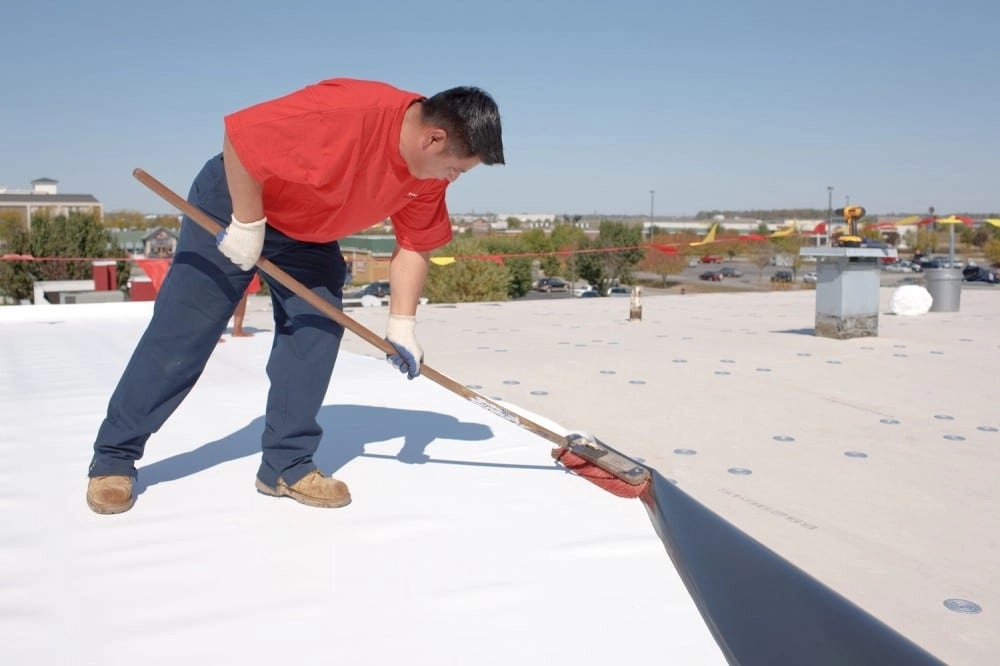
Switching to TPO roofing presents a practical solution for property owners looking to optimize energy efficiency and minimize costs. Its reflective surface greatly reduces heat absorption, leading to lower energy consumption and cooling expenses. Additionally, TPO’s durability promises long-term benefits, decreasing the likelihood of costly repairs. As environmental concerns grow, the sustainability of TPO roofing becomes increasingly relevant. The financial implications of this roofing choice merit closer examination, revealing a compelling case for change.
Key Takeaways
- TPO roofing reflects up to 87% of UV rays, significantly reducing heat absorption and cooling costs.
- Its lightweight design decreases structural support needs, leading to lower installation costs.
- Durable and resistant to weather elements, TPO requires fewer repairs and maintenance expenses over time.
- Made from recyclable materials, TPO aligns with sustainable practices while lowering energy consumption.
- Initial investment in TPO is often lower than traditional roofing, providing substantial long-term savings.
Understanding TPO Roofing: What It Is and How It Works
TPO roofing, or Thermoplastic Olefin roofing, presents a modern solution for commercial and industrial buildings seeking durability and energy efficiency. This single-ply membrane is made from a blend of polypropylene and ethylene-propylene rubber, resulting in a lightweight yet robust roofing option. One of the key benefits of TPO roofing is its resistance to UV radiation, which contributes to longer lifespan and lower maintenance costs. Additionally, its reflective properties help to reduce heat absorption, further enhancing its appeal among environmentally conscious businesses. As organizations increasingly prioritize sustainable practices, TPO roofing aligns with these values, offering an attractive choice for those aiming to foster a sense of belonging within their communities. Overall, the benefits of TPO roofing make it a compelling option for modern construction needs.
Energy Efficiency: How TPO Roofing Reduces Utility Costs
How can a roofing solution considerably impact energy consumption and utility costs? The benefits of TPO roofing lie in its reflective properties, which significantly reduce heat absorption. By maintaining cooler indoor temperatures, TPO roofing minimizes the reliance on air conditioning systems, leading to lower energy bills. Additionally, its lightweight design requires less structural support, making it a cost-effective choice for buildings. Studies indicate that TPO roofs can reflect up to 87% of harmful UV rays, further enhancing energy efficiency. This not only translates into tangible savings on utility costs but also promotes a more sustainable lifestyle. For those seeking a community-focused approach to energy conservation, embracing TPO roofing aligns financial prudence with environmental responsibility, fostering a collective commitment to eco-friendly practices.
Durability and Longevity: The Long-Term Benefits of TPO Roofing
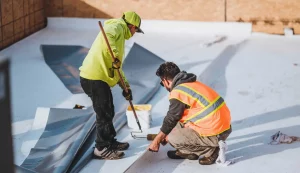
Durability stands as a critical factor in the selection of roofing materials, directly influencing long-term maintenance costs and structural integrity. TPO roofing, known for its impressive resistance to punctures, tears, and weather elements, offers substantial long-term benefits. This material can withstand extreme temperatures, ensuring it remains intact and functional over the years. Its reflective surface contributes to energy efficiency, further enhancing its value. Additionally, TPO’s resistance to algae growth and UV degradation minimizes the need for frequent repairs or replacements. As property owners seek reliable and cost-effective solutions, the benefits of TPO roofing become increasingly evident. Investing in TPO not only guarantees durability but also fosters a sense of belonging within a community committed to sustainable and resilient building practices.
Environmental Impact: Why TPO Roofing Is a Sustainable Choice
The choice of roofing material has significant implications for environmental sustainability, particularly in the context of modern building practices. TPO roofing stands out as a sustainable option due to its eco-friendly features and energy efficiency.
- Made from recyclable materials, TPO reduces waste in landfills.
- Its reflective surface minimizes heat absorption, leading to lower energy consumption.
- Installation and maintenance processes are designed to be less invasive to the environment.
These attributes make TPO roofing a compelling choice for environmentally conscious builders and homeowners. By opting for TPO, individuals contribute not only to their immediate comfort but also to broader sustainability efforts. The benefits of TPO roofing extend beyond mere functionality, aligning with a collective commitment to preserving the planet for future generations.
Cost Savings: Analyzing the Financial Benefits of TPO Roofing
While many roofing options promise cost efficiency, TPO roofing distinctly emerges as a leader in financial benefits for property owners. The initial investment in TPO materials is often lower compared to traditional roofing systems, making it an attractive choice for budget-conscious individuals. In addition, TPO’s reflective properties contribute to reduced cooling costs, which can yield significant savings on energy bills over time. Its durability guarantees fewer repairs and maintenance expenses, enhancing long-term financial stability. Moreover, TPO roofing can potentially extend the lifespan of a building, allowing property owners to invest in other areas. Overall, the benefits of TPO roofing are not just environmental; they also present compelling financial incentives, fostering a community of responsible and economically savvy property owners.
Frequently Asked Questions
How Does TPO Roofing Compare to Traditional Roofing Materials?
TPO roofing outperforms traditional materials by offering superior energy efficiency, durability, and cost-effectiveness. Its reflective surface reduces cooling costs, while its ease of installation and maintenance enhances overall value, making it a compelling choice for property owners.
Can TPO Roofing Be Installed Over Existing Roofs?
TPO roofing can often be installed over existing roofs, provided they are structurally sound. This method simplifies the installation process, reduces waste, and minimizes labor costs, aligning with the growing preference for efficient, sustainable solutions in construction.
What Maintenance Is Required for TPO Roofing?
Regular maintenance for TPO roofing includes periodic inspections, cleaning debris, checking seams for leaks, and ensuring proper drainage. These measures enhance longevity and performance, highlighting the benefits of TPO roofing for energy efficiency and cost savings.
Is TPO Roofing Suitable for All Climates?
TPO roofing is suitable for many climates, offering flexibility in performance. Its reflective properties enhance energy efficiency, making it beneficial in hot regions. However, in extreme cold, additional insulation might be necessary for peak performance.
How Does TPO Roofing Affect Property Value?
TPO roofing positively influences property value by enhancing energy efficiency and durability, appealing to environmentally conscious buyers. Its modern aesthetics and low maintenance requirements contribute to a competitive market advantage, making properties more desirable and valuable.
Conclusion
In summary, shifting to TPO roofing presents a compelling opportunity for property owners seeking to optimize both energy efficiency and cost savings. Its reflective surface greatly lowers energy consumption, while its durability guarantees minimal maintenance expenses over time. By investing in TPO roofing, individuals not only enhance the sustainability of their properties but also enjoy considerable financial benefits, making it a wise choice in today’s environmentally conscious market. Embracing TPO roofing is a strategic move towards a more sustainable and economically viable future.
You May Also Like To Read: